L-Carnitine Injection: Benefits, Dosage, How to Use, and Key Comparisons
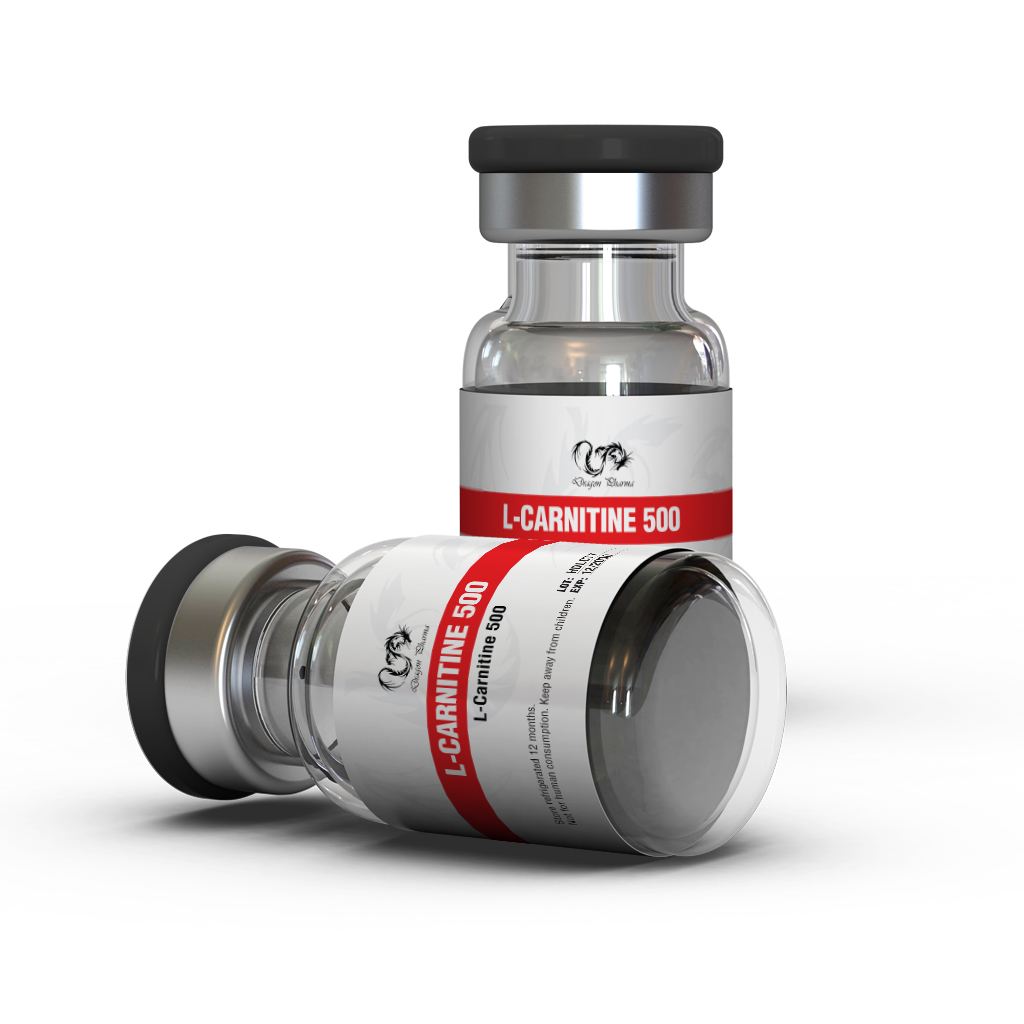
L-Carnitine injection has become one of the most widely discussed compounds in fitness and metabolic research due to its role in energy production and fat metabolism. In particular, L-Carnitine injection formats have gained attention for their direct delivery and potential efficiency in controlled settings.
Originally recognized for its involvement in transporting fatty acids into the mitochondria, L-Carnitine is now studied for multiple applications, including weight management, recovery, and performance optimization. Products such as injectable L-Carnitine formulations are often explored by individuals seeking more targeted support compared to oral supplementation.
This article provides a complete breakdown of L-Carnitine injection benefits, dosage considerations, how to use it, possible side effects, and key comparisons like L-Carnitine vs other fat metabolism compounds.
What Is L-Carnitine and How Does It Work?
Dragon Pharma L-Carnitine is a naturally occurring amino acid derivative found in the body, primarily stored in muscle tissue. Its main function is to transport long-chain fatty acids into the mitochondria, where they are converted into energy.
This process plays a critical role in:
- Fat metabolism
- Energy production
- Exercise performance
- Cellular efficiency
Because of this mechanism, L-Carnitine is frequently studied in both athletic and metabolic research contexts.
L-Carnitine Injection Benefits
The benefits of L-Carnitine injection are primarily linked to its role in energy metabolism and recovery processes. Compared to oral forms, injectable delivery may allow for more direct absorption.
1. Fat Metabolism Support
One of the most well-known L-Carnitine benefits is its ability to assist in fat utilization. By transporting fatty acids into mitochondria, it supports the body’s natural fat-burning processes.
This is why L-Carnitine is commonly included in research related to:
- Weight management
- Energy balance
- Metabolic efficiency
2. Enhanced Energy Production
Because L-Carnitine helps convert fat into usable energy, it may contribute to improved stamina and reduced fatigue in performance-related settings.
Researchers often study this effect in connection with:
- Endurance performance
- Physical output
- Energy sustainability
3. Improved Muscle Recovery
Another important benefit is its potential role in reducing post-exercise muscle stress.
Studies suggest L-Carnitine may help:
- Reduce muscle soreness
- Support tissue recovery
- Improve recovery time between sessions
This makes it relevant in research focused on exercise recovery and muscle adaptation.
4. Cognitive and Cellular Support
Emerging research explores how L-Carnitine may influence brain function and cellular health.
Areas of study include:
- Cognitive performance
- Cellular energy efficiency
- Oxidative stress reduction
How to Use L-Carnitine Injection
Understanding how to use L-Carnitine injection properly is essential for maintaining consistency and safety in controlled environments.
While protocols vary depending on research or supervised use, general guidelines include:
- Administer in controlled conditions
- Follow sterile handling procedures
- Use appropriate injection techniques
- Ensure accurate measurement before use
Because injectable compounds require precision, they are typically handled in structured environments where dosing and administration can be carefully monitored.
L-Carnitine Injection Dosage Considerations
When discussing L-Carnitine dosage, it is important to emphasize that requirements can vary significantly depending on the context, whether clinical, research-based, or performance-related.
Common dosage considerations include:
- Individual metabolic needs
- Body composition factors
- Frequency of administration
- Intended research outcomes
Rather than a one-size-fits-all approach, dosage is usually determined based on controlled protocols.
Consistency is often more important than high dosing, especially in structured programs.
L-Carnitine vs Oral Supplements
A common comparison in supplementation discussions is L-Carnitine vs oral forms.
Key differences include:
Absorption
- Injection: Direct delivery into the system
- Oral: Must pass through the digestive system
Bioavailability
- Injection: Higher and more immediate
- Oral: Lower due to digestion and metabolism
Convenience
- Injection: Requires preparation and technique
- Oral: Easier to consume daily
Use Case
- Injection: Often used in controlled or advanced settings
- Oral: Common in general supplementation routines
Because of these differences, researchers often examine how delivery methods impact effectiveness and outcomes.
Potential Side Effects of L-Carnitine Injection
Like any compound, understanding L-Carnitine side effects is important.
While generally well-tolerated in controlled use, potential side effects may include:
- Mild discomfort at injection site
- Gastrointestinal changes (in some cases)
- Temporary fatigue or restlessness
- Rare sensitivity reactions
Monitoring response and maintaining proper protocols helps minimize risks.
Who Studies or Uses L-Carnitine Injection?
L-Carnitine injection is commonly explored in:
- Fitness and performance research
- Metabolic and weight management studies
- Recovery and rehabilitation programs
- Energy optimization research
Its versatility makes it relevant across multiple areas of study.
Why L-Carnitine Remains Popular
Several factors contribute to the continued interest in L-Carnitine:
1. Scientifically Established Role
Its role in fatty acid transport is well-documented, making it a reliable subject in metabolic research.
2. Versatility
L-Carnitine is studied across multiple domains, including:
- fat metabolism
- endurance performance
- recovery science
3. Compatibility with Other Compounds
Researchers often examine how L-Carnitine interacts with other metabolic compounds, making it useful in combination studies.
Best Practices for Using L-Carnitine Injection
To maximize effectiveness and maintain safety, the following practices are recommended:
- Use sterile equipment and proper handling
- Store according to guidelines
- Track dosage and frequency
- Monitor response over time
Consistency and precision are key factors in achieving reliable outcomes.
Final Verdict
L-Carnitine continues to be one of the most researched compounds in metabolism and performance science. The benefits of L-Carnitine injection—including support for fat metabolism, energy production, and recovery—make it a valuable subject in both fitness and scientific communities.
Understanding how to use L-Carnitine injection, determining the right dosage, evaluating potential side effects, and comparing L-Carnitine vs oral forms all contribute to making informed decisions.
For those focused on performance optimization or metabolic research, L-Carnitine remains a relevant and widely studied compound with broad applications.
For a deeper scientific understanding, you can review how L-Carnitine functions in the body on Wikipedia’s L-Carnitine page, which explains its role in fatty acid metabolism and energy production.